Official website of Adivsi Sahitya Sabha: Assam
.
Adivasi Awaz.org is more than just a website—it is a voice for the community. Built on the spirit of sharing and supporting one another, it carries forward the knowledge passed down by our ancestors and elders. Today, many Adivasis in Assam are losing their identity as language and culture fade away. Through this small but powerful initiative, we hope to spark awareness, strengthen unity, and inspire pride in our heritage.
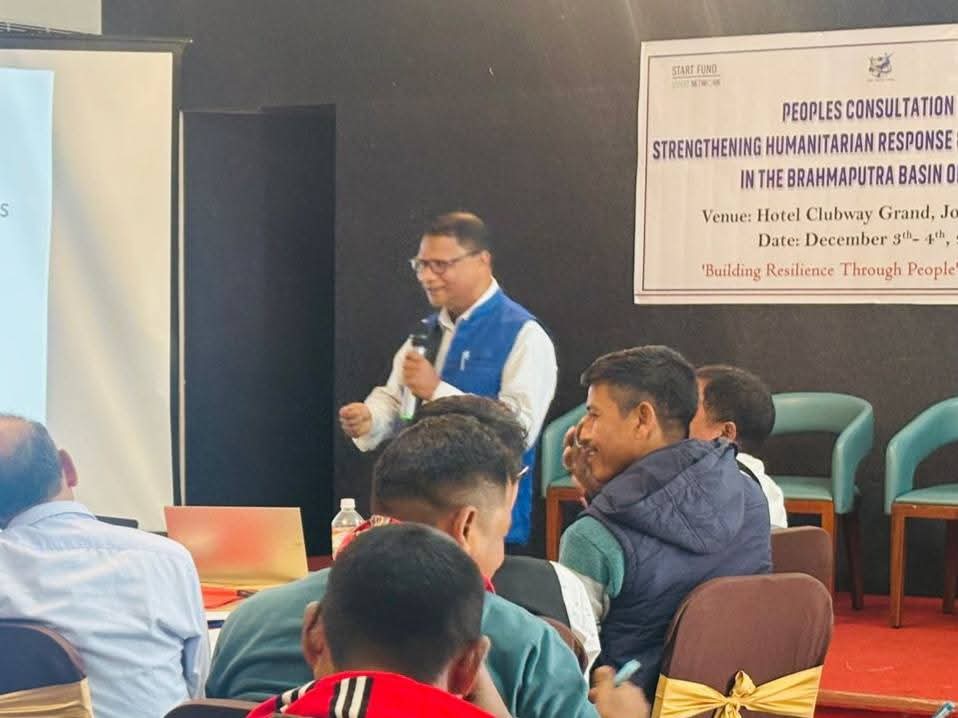
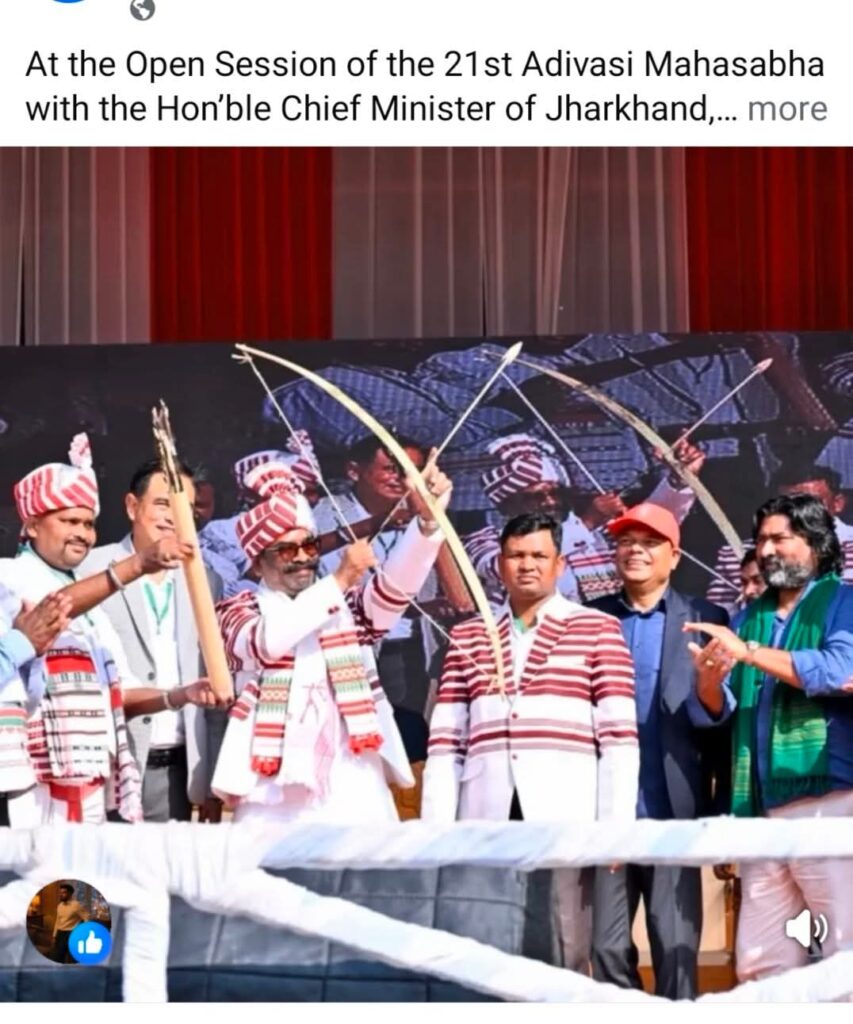
Representative of Jharkhand Government visits Assam for understanding Adivasis situation in Assam
Adivasi History
(Adivasis are first settler of India as well as north east)
The Origin and Historical Context of the Term Adivasi in Assam
The word Adivasi, when applied to the indigenous people of Assam, derives from the Sanskrit roots Adi (beginning or ancient) and Basi (inhabitant). Literally translated, it means “ancient inhabitant” or “first inhabitant.” Across India, various ethnic groups have adopted this term to emphasize their deep-rooted connection to the land and their claim to primordial settlement.
By the 1930s, Adivasi acquired a socio-political dimension, distinguishing indigenous communities from later settlers and dominant social groups. In Assamese literary tradition, Hemchandra Barua’s seminal dictionary Hemkosh defines Adivasi (আদিবাসী) as “first inhabitant,”(প্ৰথম বাসীন্দা) underscoring their cultural and demographic significance in the region. This etymological understanding aligns with the Indian Census and Scheduled Tribes classification, which describes Adivasis as descendants of ancient communities representing the earliest ethnic strata of the Indian population.
Historian M. Banerjee identifies the Munda, Santhal, and Oraon tribes of the Chotanagpur plateau as archetypal indigenous groups, having preserved distinct cultural and linguistic identities predating Indo-Aryan and Bengali civilizations. Similarly, Kumar Baruah and Tashudak Amanul Husein, in India Adivasis, note that these communities are characterized by physical features such as dark skin, prominent noses, and sturdy builds. They traditionally inhabit forested and hilly terrains and speak languages distinct from the Aryan family. The Kol, Vill, and Munda groups are likewise categorized as indigenous peoples. Migration and settlement of Adivasi groups in Assam trace back to prehistoric times. Oral traditions and historical accounts suggest their arrival as early as the fourth century BCE, with symbolic associations to the legendary king Narakasura, son of the goddess Bhudevi. While mythological, these narratives reinforce the perception of antiquity in indigenous habitation.
Adivasi Populations
Sensus of India has publish it report of 1971 and 2011 where we can see the decreasing population of Adivasis
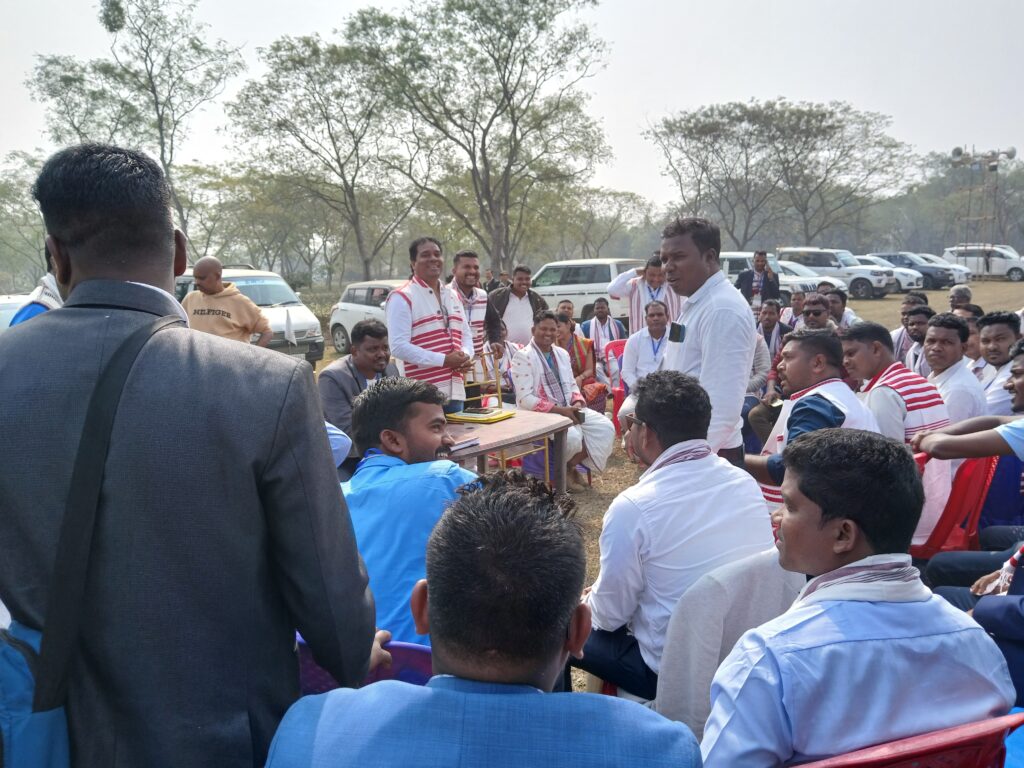
Chairperson of GoM, Dr.Ranuj Pegu met Adivasi joint forum
On 24th December 2025, a delegation from the Adivasi Joint Forum met Cabinet Minister Dr. Ranuj Pegu to address the issue of scheduling Adivasis. During the meeting, Dr. Pegu emphasized the importance of documenting the population of Adivasis in Assam. He requested a detailed study to determine the numbers across the 36 different Adivasi communities.
- In response to Dr. Pegu’s concerns, members of the Joint Forum agreed to conduct a study and present the population figures in the upcoming meeting.
- The Forum also urged the government to implement the Adivasi Peace Accord, specifically under provisions 2(i) and 2(ii), which call for granting Adivasis Scheduled Tribe (ST) status.
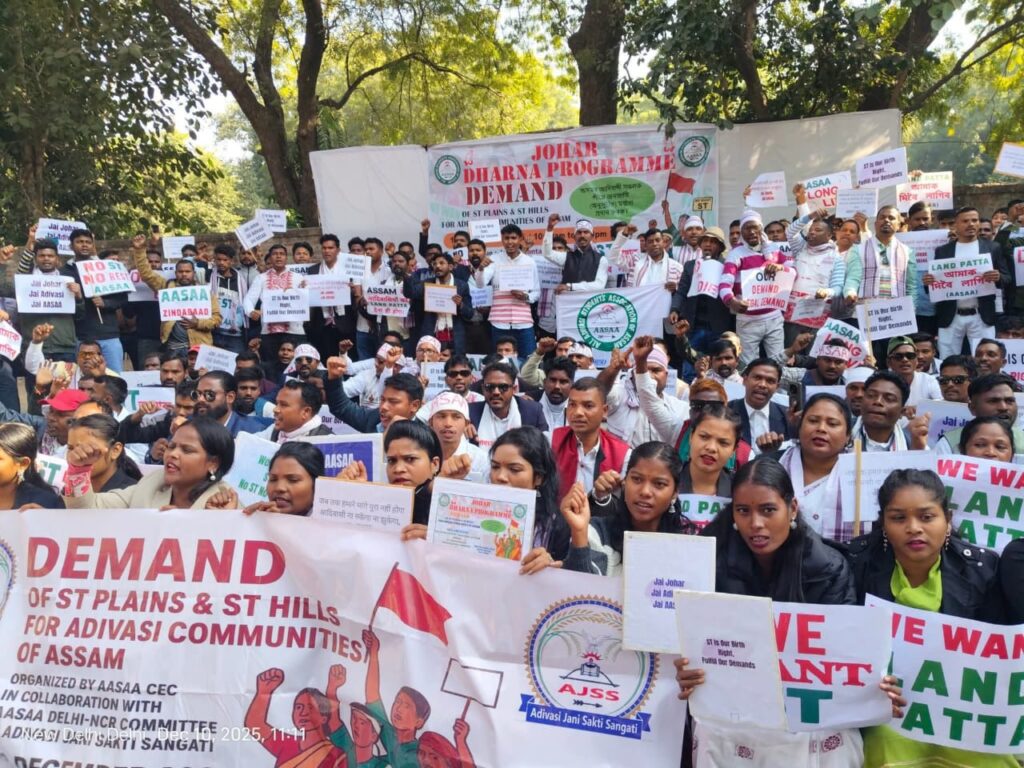
The All Adivasi Students’ Association of Assam staged an agitation at Jantar Mantar, New Delhi, demanding the scheduling of Adivasis.